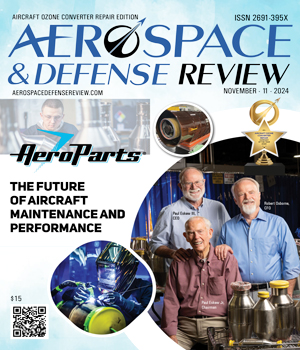
AeroParts®: The Future of Aircraft Maintenance and Performance

Aircraft Ozone Converter Repair Company of the Year – 2024

Aircraft ozone converters play a crucial role in modern aviation by ensuring cabin air quality. These converters are responsible for breaking down high concentrations of ozone present at cruising altitudes into harmless oxygen, thus protecting passengers and crew from potential respiratory irritants. As regulations on ozone emissions tighten and the global aviation sector prioritizes passenger comfort and environmental responsibility, the repair and maintenance of ozone converters have become an increasingly critical area of focus.

One of the most significant advancements in the aircraft ozone converter repair industry is the increasing use of precision technologies and predictive maintenance. Airlines and maintenance, repair, and overhaul (MRO) providers are now utilizing sensor-based diagnostics to monitor the health of ozone converters in real time. This proactive approach allows for earlier detection of issues such as catalyst degradation or contamination, which helps to avoid in-flight performance problems or unexpected breakdowns.

As the aviation industry faces increasing pressure to reduce its carbon footprint, there is a growing trend toward refurbishing ozone converters rather than replacing them entirely. Many MRO companies are now offering specialized services that focus on restoring converters to their original efficiency levels, extending their operational lifespan.

This shift toward sustainability is particularly beneficial for airlines looking to lower costs while adhering to strict environmental regulations. By refurbishing rather than replacing converters, airlines can cut down on waste and minimize the demand for new materials. The shift aligns with the broader goals of aviation to become more eco-conscious, particularly with initiatives such as the International Air Transport Association’s (IATA) commitment to achieving netzero carbon emissions by 2050.

In this edition, we have featured AeroParts®. The company has made its name as a trusted aircraft component repair company by transforming the routine into the remarkable. Whether it’s nitrogengenerating systems (NGS), ozone converter overhauls or intricate metal and composite repairs, it has diversified its capabilities to serve a broad spectrum of industry demands.

    Aircraft Ozone Converter Repair Company of the Year

    AeroParts®
    AeroParts®has made its name as a trusted aircraft component repair company by transforming the routine into the remarkable. Whether it’s nitrogen-generating systems (NGS), ozone converter overhauls or intricate metal and composite repairs, the company has diversified its capabilities to serve a broad spectrum of industry demands. Its forward-thinking mentality solidifies its standing as an industry leader—always pushing the boundaries of safety, performance, and sustainability in aircraft operations.

    Composites One
    Composites One assists aerospace industry leaders sustainably source high quality composite materials. Its ultimate aim is to facilitate their journey towards financial stability and operational efficiency through its dependable supply chain and expert logistics prowess.
    SpaceTEC Partners
    SpaceTec Partners is a workforce development platform dedicated to establishing a pipeline of skilled workers in the aerospace, aviation, defense, and advanced manufacturing sectors. It designs comprehensive curricula, through collaborations with colleges and training entities, providing certifications that guarantee credibility of individuals' training, offering reassurance to employers.

MRO Info

Q1
What Do Top MROs Do?
Top MROs provide maintenance, repair and overhaul services that keep commercial, military and business aircraft airworthy, compliant and ready for service. Their work can include heavy airframe checks, engine maintenance, component repair, structural modifications, avionics support and parts management. The role of Top MROs extends beyond scheduled maintenance. Many also help operators manage aging fleets, supply chain shortages and aircraft downtime. A delayed inspection or unavailable component can leave an aircraft grounded longer than expected. That is why airlines, defense organizations and aircraft owners often rely on MRO providers as long-term service partners rather than occasional repair vendors.
Q2
Why Do Top MROs Matter More Today?
Aircraft fleets are operating under growing pressure from higher utilization rates, longer aircraft service lives and ongoing parts availability challenges. Top MROs have become increasingly important because operators need to maintain reliability while controlling maintenance costs and minimizing disruptions. Airlines are also working through maintenance backlogs created by supply chain constraints and labor shortages across the aviation sector. At the same time, newer aircraft systems require specialized technical expertise and certifications. Maintenance delays can affect flight schedules, passenger experience and fleet availability. The demand for capable MRO providers continues to grow as operators balance performance, safety and cost pressures.
Q3
How Should Aviation Organizations Evaluate MRO Providers?
Organizations should look closely at how providers work in real maintenance conditions rather than focusing only on facility size or service lists. Review turnaround times, certification coverage, workforce expertise and parts support capabilities. It is also useful to examine how an MRO handles unexpected findings during heavy maintenance checks. A provider may perform well under normal conditions but struggle when additional repairs are discovered. Testing reporting workflows with actual maintenance records often reveals more than a sales presentation. Most aviation operators already manage multiple maintenance systems, which makes integration and documentation quality important evaluation factors.
Q4
What Business Value Do MRO Services Deliver?
Reliable MRO services help reduce unscheduled downtime, improve aircraft availability and support long-term asset performance. For airlines, even a single extra day that an aircraft remains out of service can disrupt schedules and result in lost revenue. Defense organizations face similar challenges, as maintenance delays can have an impact on mission readiness. Effective maintenance planning also helps operators extend component life, improve inspection accuracy and avoid more significant repair costs down the line. In many cases, the real value comes from consistency rather than speed alone. Clear maintenance records, predictable turnaround times and dependable technical support help prevent relatively minor maintenance issues from developing into larger operational problems.
Q5
How Are Technology and Innovation Changing the MRO Industry?
Digital maintenance planning, predictive analytics, automated inspections and data-driven asset management are becoming more common across the MRO sector. Many Top MROs are investing in technologies that help identify maintenance requirements earlier and improve repair planning. Engine monitoring systems, digital maintenance platforms and AI-assisted diagnostics can help technicians detect potential issues before they lead to larger failures. Most maintenance teams already work with large volumes of technical data. The challenge is often turning that information into practical maintenance decisions. Technology is becoming increasingly valuable when it helps reduce unnecessary inspections, improve parts forecasting and shorten maintenance cycles.
Q6
What Should Decision-Makers Prioritize When Comparing Top MROs?
Decision-makers should prioritize technical capability, regulatory compliance, workforce experience, parts availability and long-term support quality. The lowest-cost option is not always the most economical one, especially when maintenance delays lead to schedule disruptions or recurring repair work. It is important to understand how providers handle supply chain challenges, engineering approvals and service communication during complex projects. Organizations should also evaluate whether an MRO can continue to support future fleet requirements as aircraft technology evolves. Top MROs are often evaluated not only on the quality of the repair itself, but also on how consistently they help keep aircraft available and in service throughout their lifecycle.